
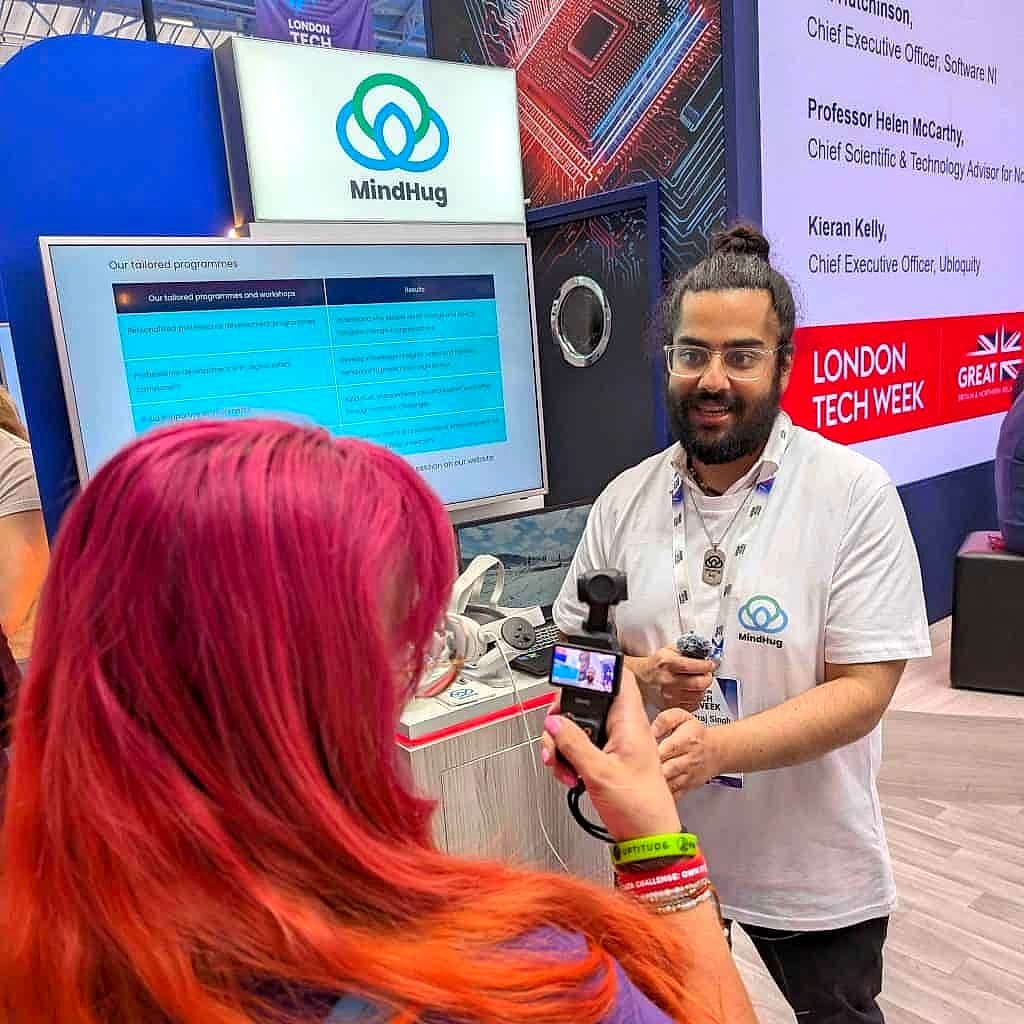
Experience
- 5,000+ people
- 50+ nationalities
- LSE, UCL, DSIT
Delivery is the thing we have most of. Programmes run with universities, organisations and UK government initiatives, measured every time.
About
MindHug exists because our founder went looking for help and found a system working on the wrong problem. What followed was a question about why information so rarely becomes behaviour, and how safe experiences can change what the mind expects next.
Our story
After a series of significant mental health challenges in his own life, our founder Raj went looking for help. He found the same off-the-shelf answer everybody else was being handed, and could not shake the feeling that something about the way we approach anxiety, depression and everything around them was systematically broken.
Raj is an economist and behavioural scientist, and a former central banker and regulator. At LSE his focus was what drives rational and irrational behaviour: heuristics, shortcuts, and the economic systems built on top of them. Turned on his own situation, that training produced an uncomfortable question. If people know what would help, and the information is freely available, why does nothing change?
His later research at UCL extended the same interest into mental health, information overload and how people process experience, including a Master’s dissertation on the role of information in mental wellbeing. It kept arriving at the same place. The mind is not short of information. It is overwhelmed by it, so it builds shortcuts, and those shortcuts, not the knowledge gap, decide behaviour. That insight became the basis of MindHug’s approach. CUE reads what is blocking a behaviour, and SURE shapes the training and experiential learning used to change it.
If behaviour is the bottleneck, the same understanding applies to a team that keeps clicking the link, a founder who plays it safe, and somebody who cannot sleep. Programmes work on it actively. MindHug Zero works on it passively: zero not as in no hope, but as in ground state, the calm baseline you return to so you can act rather than freeze. One organisation, because it is one problem.
What that looks like in the room, where a psychologist, a mindfulness practitioner, a game designer and a hackathon meet, is its own thing. See how our programmes work.
Behind the work
Delivery is the thing we have most of. Programmes run with universities, organisations and UK government initiatives, measured every time.
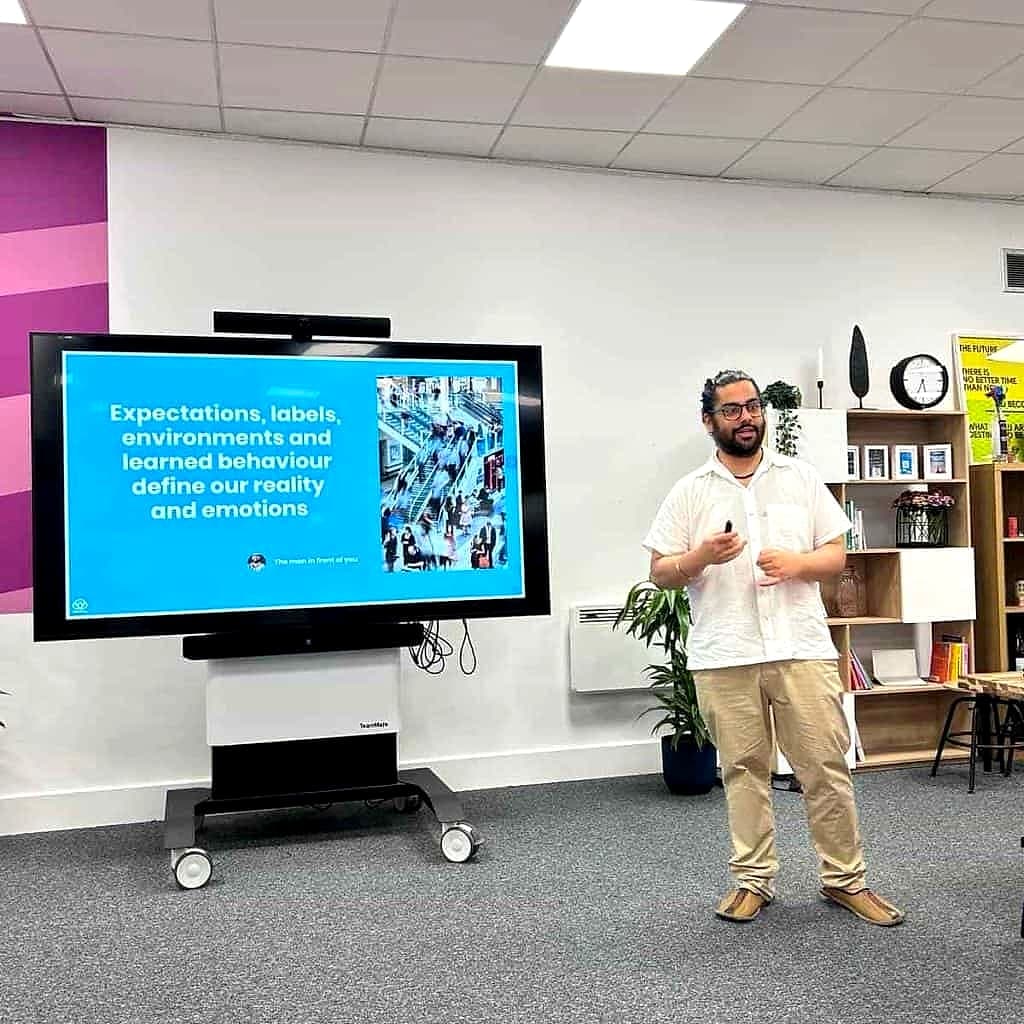
CUE and SURE are MindHug frameworks, grounded in published behavioural science and refined through five years of measured delivery.
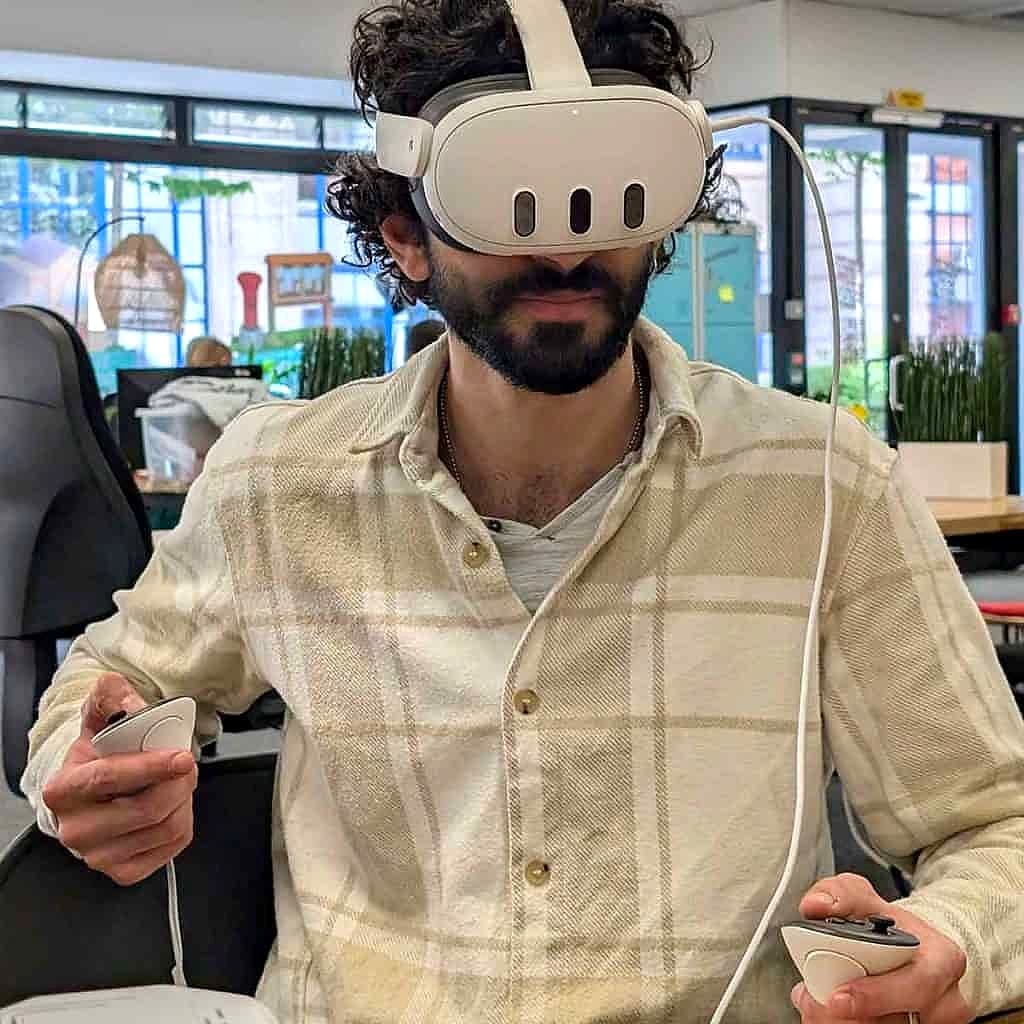
Innovation here means finding a route into a stuck assumption, not adding technology to a slide.
Figures are drawn from the programmes and participants we measured. The case studies carry the detail behind each.













The team
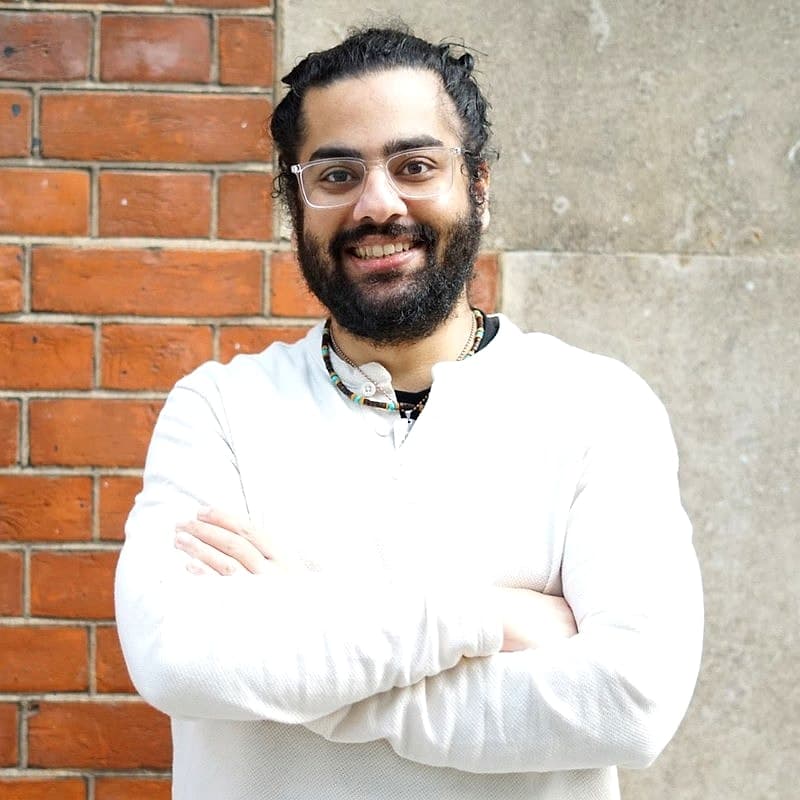
Chitraj (Raj) Singh
Founder & CEO

Chidinma Beatrice Egwu
Chief of Staff, Operations & Programme Manager
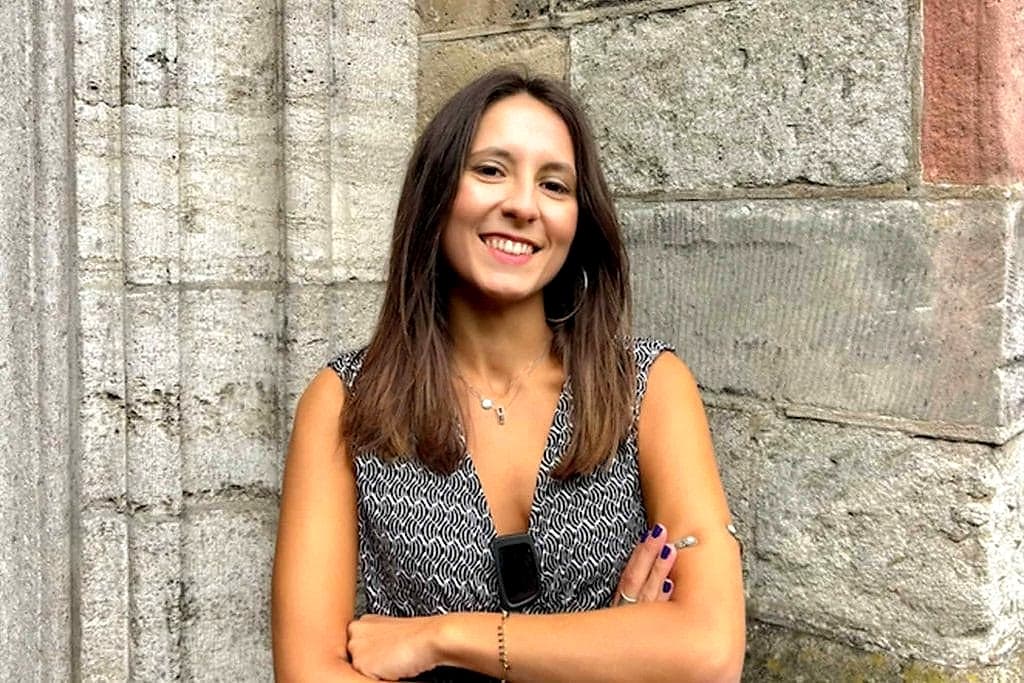
Katerina Fista
Psychology Lead
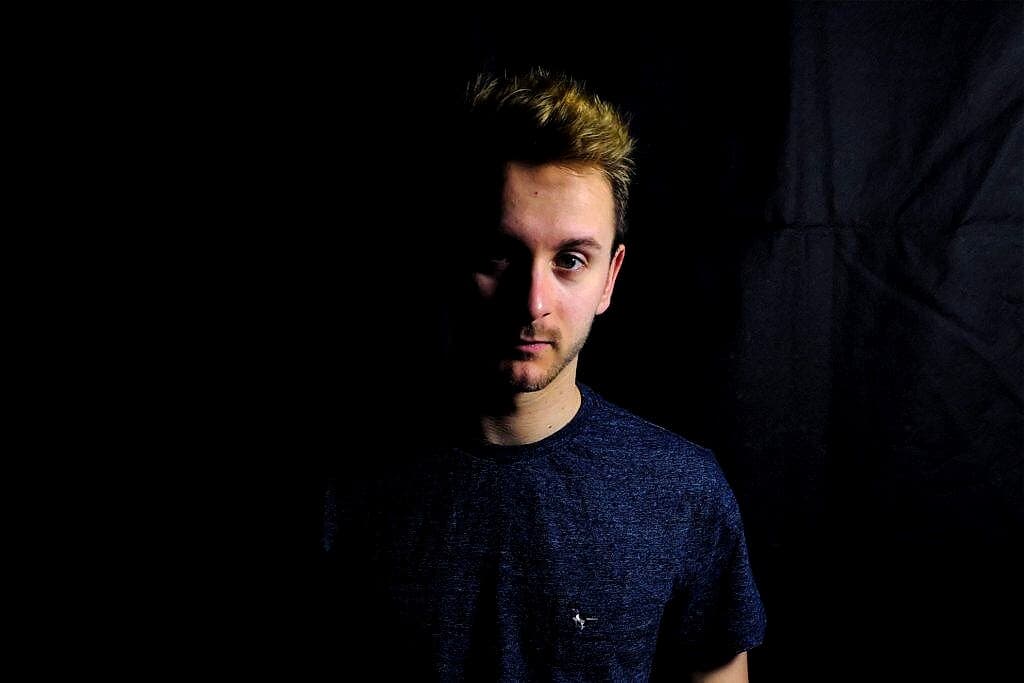
Luke Davies
Creative Lead & Audio/Sound Engineer
We use optional analytics cookies to sharpen the site, the digital kind, not the coffee kind. It works exactly the same if you decline. Privacy and cookie policy