AI, digital security and cybersecurity: adoption and behaviour change training. Build AI workflows.
People know they should use AI, and still avoid it. They know the security rules, and still click. We build the habits and skills that make AI, digital security and cybersecurity stick. The same behavioural science helps us build AI workflows your people actually use.
You may be seeing
- The AI licences are bought and barely used, and the AI workflows that get built don't work in practice.
- Uncertainty and quiet resistance leave the same few enthusiasts carrying every pilot.
- Security training happens, then behaviour drifts back. The risk is people under pressure, not the policy.
Programmes
AI, digital security and cybersecurity that people actually adopt and practise
Intention vs reality
Mostenterprises are piloting generative AI
5%of those pilots deliver measurable business value
Part of ‘MindHug One’, our 40-hour programme across wellbeing, AI and cybersecurity adoption, and entrepreneurship. Each programme below is a component you can book on its own. All of them build on Psychology of Change, the foundation of every area.
AI at work
Behavioural science on both sides of AI: the people using it, so they adopt it ethically, and what it produces, from outputs to the workflows we build, with governance built in.
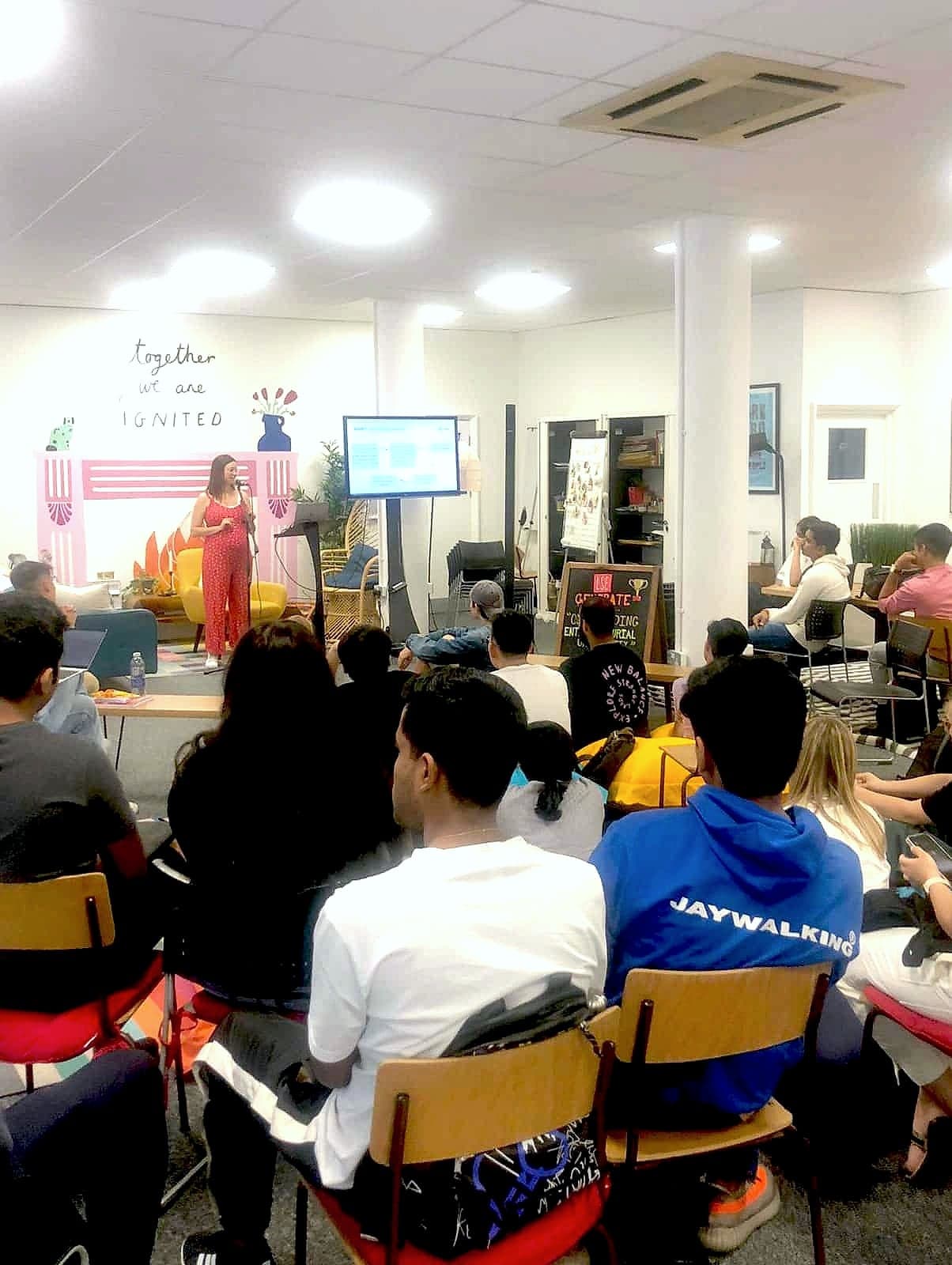
- AI hackathons8 to 24 hours
Psychology of Change and AI
The licences are bought. Uncertainty, resistance and hidden use stall adoption. We work with those behaviours, so AI reaches real, everyday work.
Full programme → - 3 to 24 hours
Better AI outputs and workflows
Practical AI workflows people actually use, keep using and improve. Built behavioural-science-first: quicker, cheaper, better outputs, and curiosity instead of fear.
Full programme →
Cyber and human risk
The human side of cybersecurity: fewer clicks, faster reporting, and behaviour that holds after the training.
- CPD accredited8 to 24 hours
Psychology of Change and Cybersecurity
Controls get bought, then bypassed. The fix is behavioural: fewer risky clicks, faster reporting, and habits that hold after the session.
Full programme → - 3 to 24 hours
Social Engineering: Think like a hacker
A single session makes social engineering land, felt rather than described.
Full programme →
Outcomes
What Adapt Better adds up to
Better digital adoption
Tools, policies and ways of working that people actually take up and keep using.
More successful projects
Work that reaches real use and gets finished, not just planned.
Better AI outputs
Clearer prompts in, and outputs checked for accuracy, bias and governance before they are used.
1 Organisations with inclusive, high-trust cultures, the psychological safety our training builds. Deloitte, 2020.
In the room
Rehearsed, not described.
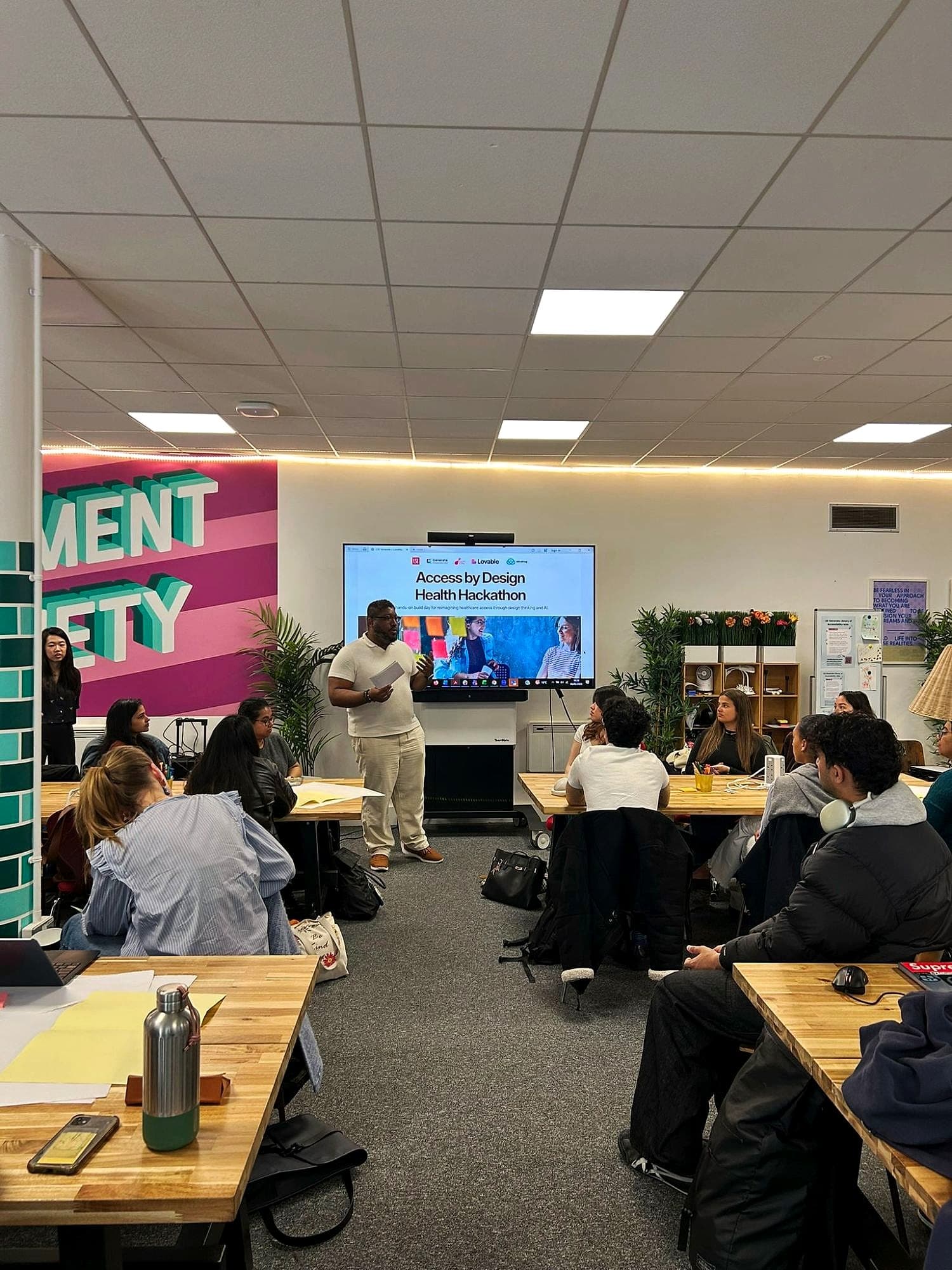
Small groups, qualified practitioners, and enough psychological safety to admit uncertainty, practise new behaviour and learn without blame.
- Practise spotting and checking a scam
- Improve a real AI task, and check what it gives back
- Small groups
- Qualified psychologists
- Live exercises
- Measured
Proof
What happened, and where.
- Improved their digital knowledge, and nobody got worse, DSIT Digital Skills Initiative
- 85%DSIT Digital Skills Initiative
- Of psychological safety measures increased, DSIT Digital Skills Initiative
- 96%DSIT Digital Skills Initiative
- Grew in confidence applying complex digital skills, DSIT Digital Skills Initiative
- 75%DSIT Digital Skills Initiative
From the programmes and participants we measured.
- Governments
UK Government, DSIT
- Result
- 85% improved their digital knowledge, and nobody got worse
- Outcomes we delivered
- A 28 hour programme applying digital skills to real work: 75% grew in confidence with complex digital skills, and 20 coaches were trained to lead adoption work.
“All the time I had to deal with cyber training I was bored of it or saw it as a pain, and now with the training I am now advocating for it, asking more questions.”
In the press









For technology leaders
The behavioural layer of technology transformation.
One behavioural science, two sides: your people adopt without fear, and what we build gets used. Three ways in:
- AI workflowsBuilt with your team, designed so people use them: reconciliation tools, dynamic CRMs, proposal personalisation, AI governance.See the programme →
- AI adoptionTurn licences into everyday use, and better outputs, not just a rollout that stalls.See the programme →
- Cyber and human riskFewer clicks, faster reporting, and people who can see through social engineering.See the programme →
Who this is for
Adapt Better, for each group
- UniversitiesStudents and staff adapting to AI, digital tools and the future of workUniversities
- OrganisationsAI, digital security and change programmes that stall at the behaviour stageOrganisations
- GovernmentsDigital skills and adoption that need to convert into real capabilityGovernments
- EntrepreneursAI and digital security capability without a department to lean onEntrepreneurs
Knowing matters. Doing changes things.
Not sure which programme fits? Tell us what you are seeing.
No obligation.
A few lines is enough.