Better AI outputs and workflows
Build practical AI workflows and get better outputs
Practical AI workflows people actually use, keep using and improve. Built behavioural-science-first: quicker, cheaper, better outputs, and curiosity instead of fear.
We have built reconciliation tools, dynamic CRMs, proposal personalisation, sales demand signals and AI governance. We build with your team, or train yours to build.
You may be seeing
- Confident outputs accepted without checking
- The same prompt tried repeatedly until it agrees
- Bias noticed in someone else’s output and missed in your own
- The same task redone by hand because no one built it into a workflow
Better AI outputs and workflows, at a glance
- Format
- 3 to 24 hours. In person or online. Delivered by us, or by your own trained facilitators. Part of Adapt Better.
- You receive
- A working AI workflow or prototype for a real task
- A real way to check AI answers before trusting them
- Ready-made prompts, instructions and templates for your team
- A checklist for catching when AI is wrong
Free, no obligation. Outcomes and deliverables are agreed before we start.
What happens
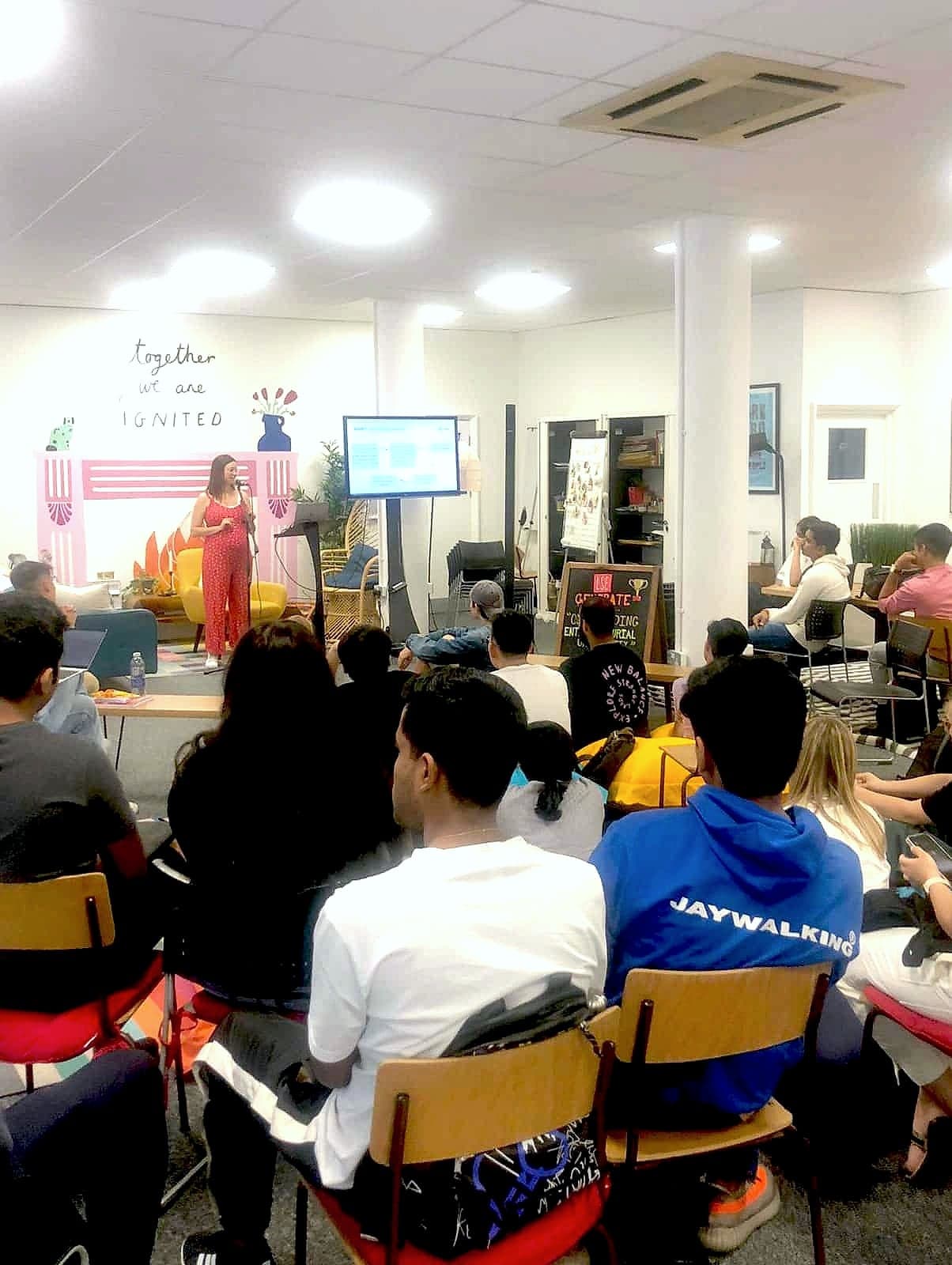
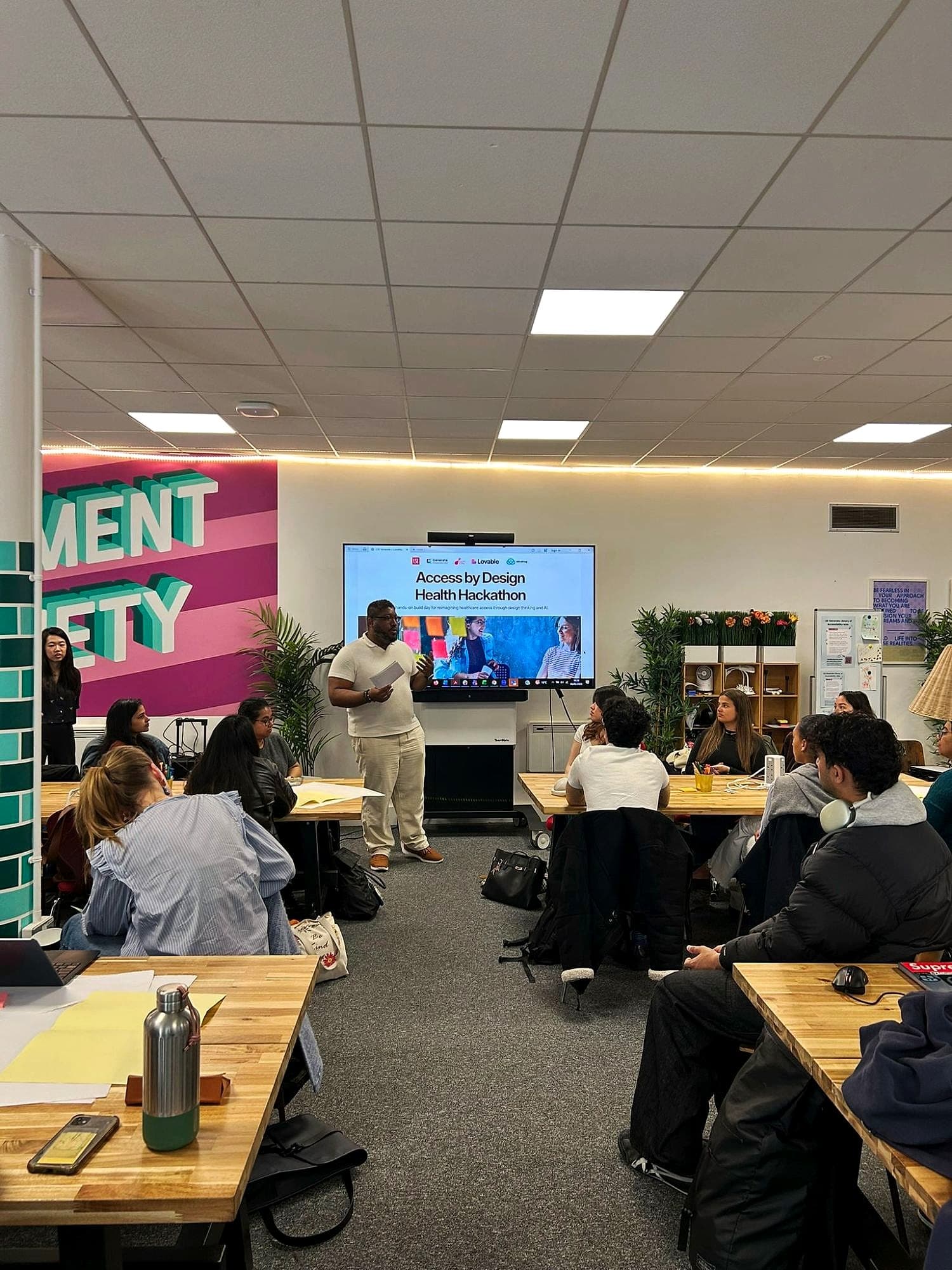
In the room
Hands-on sessions on your team’s real tasks: build a workflow, then check what it produces for accuracy and bias.
- Build and test a workflow on a recurring task
- Review workshops on accuracy, bias and governance
- Bias-spotting on real outputs
- Designing a review step that has teeth
- Failure-mode mapping
What people will be able to do
Afterwards, people can:
- Build and test a practical AI workflow on a real task
- Write a clearer prompt and get a better answer
- Spot when AI is confidently wrong
- Check an AI answer, recognise its limits and know when to ask for help
- Catch their own assumptions in the output
Outcomes
What it adds up to
Better AI outputs
Clearer prompts in, and outputs checked for accuracy, bias and governance before they are used.
More successful projects
Work that reaches real use and gets finished, not just planned.
AI use is low, hidden or meeting resistance? Psychology of Change and AI.
Checking what AI gives back is also a security habit. Digital security and cybersecurity.
This is also a component of ‘MindHug One’, 40 hours of training grounded in behavioural science, across wellbeing, AI and cybersecurity, and entrepreneurship.
Evidence
Does it work?
Measured across our Adapt Better programmes. Each figure says where it comes from.
- Improved their digital knowledge, and nobody got worse, DSIT Digital Skills Initiative
- 85%DSIT Digital Skills Initiative
- Of psychological safety measures increased, DSIT Digital Skills Initiative
- 96%DSIT Digital Skills Initiative
- Grew in confidence applying complex digital skills, DSIT Digital Skills Initiative
- 75%DSIT Digital Skills Initiative
- Governments
UK Government, DSIT
- Result
- 85% improved their digital knowledge, and nobody got worse
- Outcomes we delivered
- A 28 hour programme applying digital skills to real work: 75% grew in confidence with complex digital skills, and 20 coaches were trained to lead adoption work.












Delivery
How it is delivered.
We deliver it
Our facilitators and psychologists run it with your cohort, in person or online.
We train your people
Your own coaches are trained to deliver it, so it continues after we leave.
Tailored either way. Built around what you are actually seeing, not picked off a list.
What is included
- Facilitated workshops
- A hands-on build session
- Review-process design session
- Team toolkit
How progress is assessed
- Participants demonstrate the skill and explain the choices behind it
- A completed workflow, prototype or checklist you keep
- Follow-up on whether it is actually used, repeated or adapted
- Any organisational measure you set, such as task time or work quality
Knowing matters. Doing changes things.
No obligation.
A few lines is enough.
Why it works: what is underneath the behaviour
Underneath the behaviour
- AI mirrors the people using it. Our framing, assumptions and biases go in, and they come back out
- Fluency reads as competence, so confident outputs get accepted unexamined
- Checking stops when it is unrewarded or unsafe. Psychological safety makes challenge possible, including upwards
How this programme is built, step by step
Safety
Disagreeing with the output has to be safe, including in front of a manager.
01Understanding
What a model is doing when it sounds sure, and where that breaks.
02Reframing
From "is this right" to "what would it look like if this were wrong, and would I notice".
03Experience
Hands-on sessions on your team’s real tasks: build a workflow, then check what it produces for accuracy and bias.
04
Safety opens exploration. Exploration creates experience. Experience updates what people expect. Updated expectations change behaviour, and feed back into safety.
Related programmes