Psychology of Change and AI
AI adoption training and AI hackathons
The licences are bought. Uncertainty, resistance and hidden use stall adoption. We work with those behaviours, so AI reaches real, everyday work.
You may be seeing
- Licence usage well below headcount
- The same three enthusiasts carry every pilot
- Quiet use nobody will admit to, so nothing is learned in the open
- Confident outputs accepted without checking
Psychology of Change and AI, at a glance
- Format
- 8 to 24 hours. In person or online. Delivered by us, or by your own trained facilitators. Part of Adapt Better.
- You receive
- A working AI workflow or prototype, from your own tasks
- Trained champions, and a pack to help managers
- A plan to keep using AI after the programme
Free, no obligation. Outcomes and deliverables are agreed before we start.
What happens
In the room
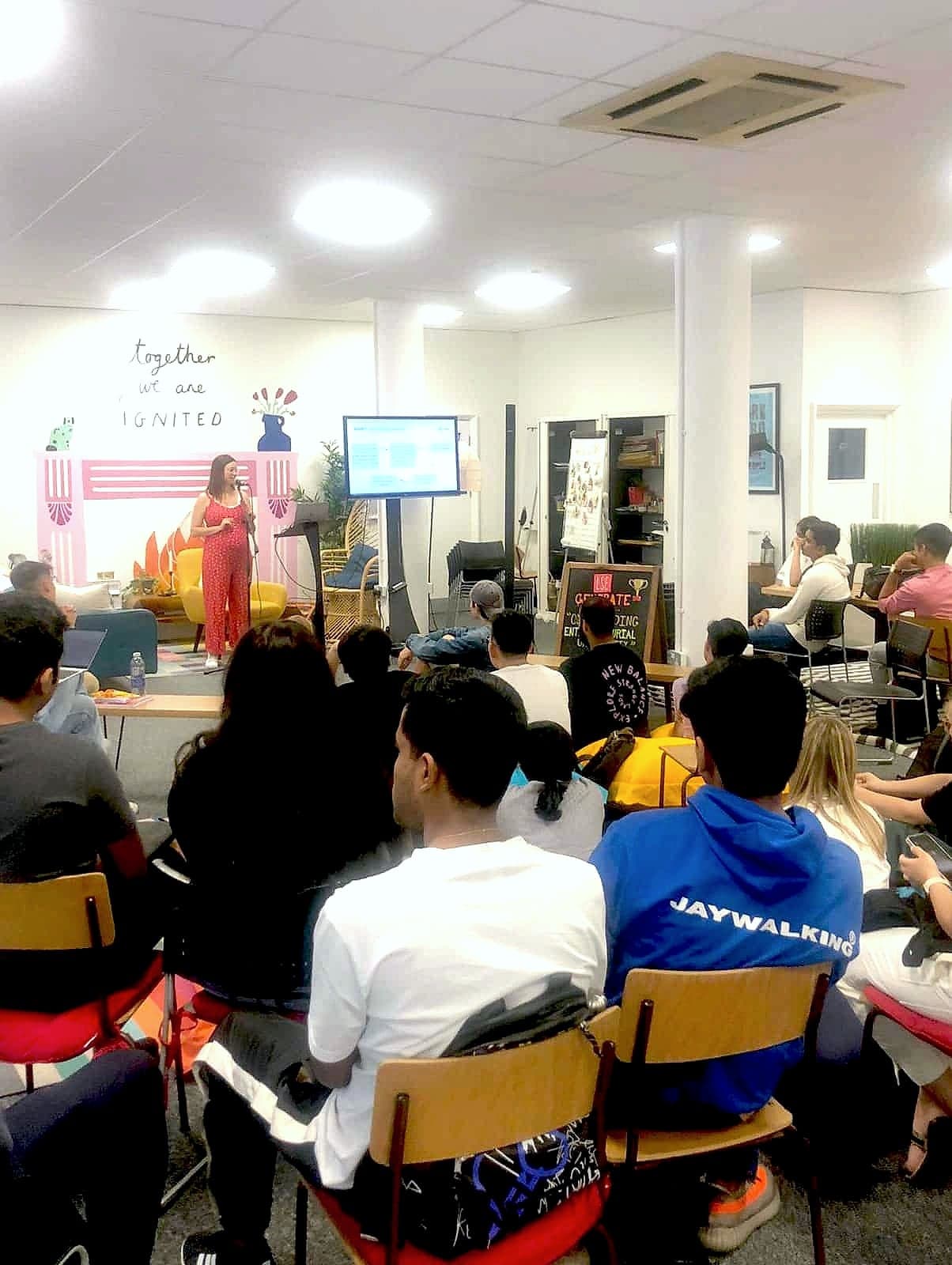
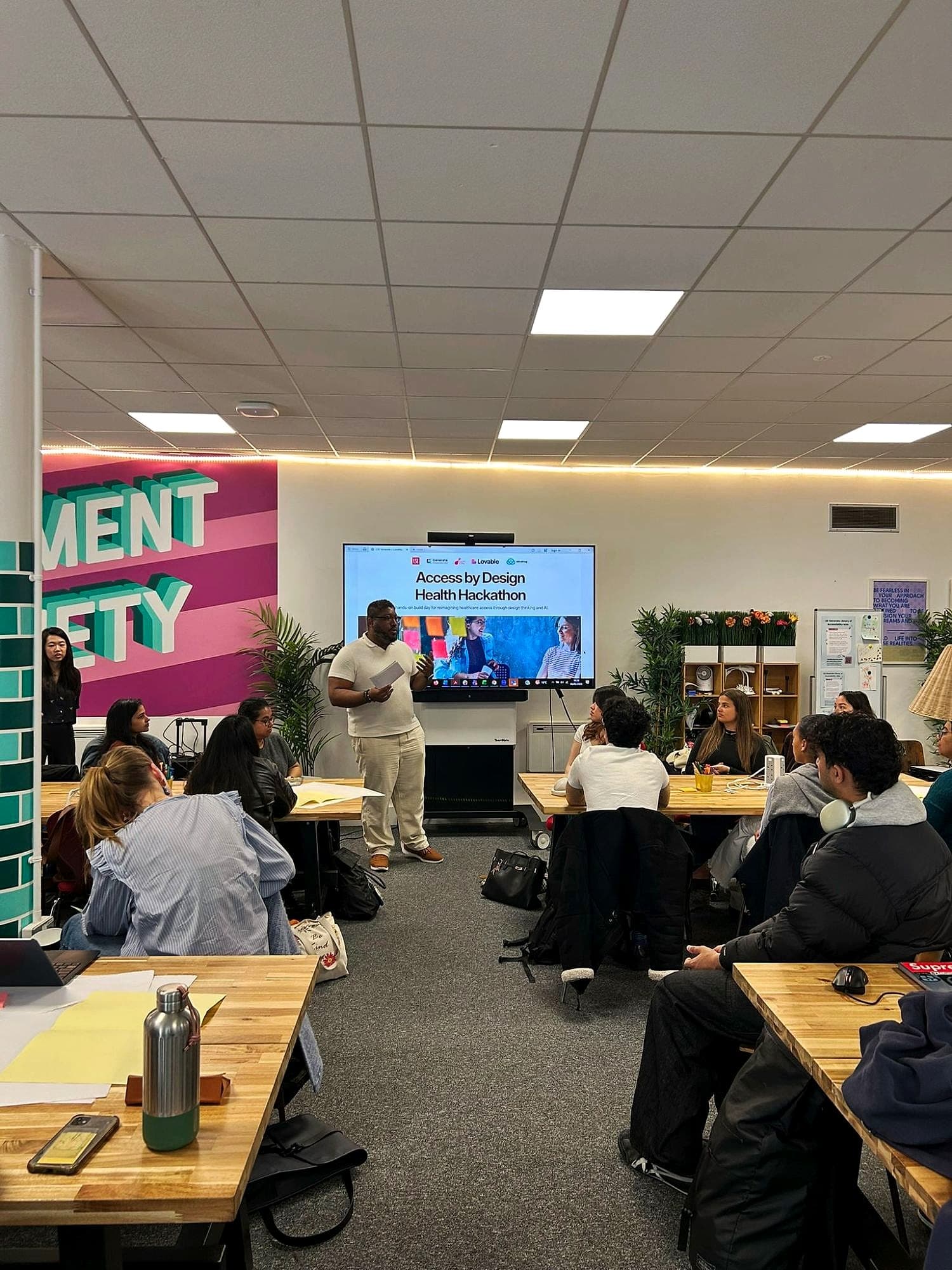
AI hackathons and real-work clinics on the team’s own tasks, not a sandbox.
- AI hackathons
- Real-work clinics using your own tasks
- Review sessions where the team checks its own AI outputs for accuracy and bias
- Boundary setting with legal and risk in the room
- Internal champion training
What people will be able to do
Afterwards, people can:
- Know when to use AI for a task, and when not to
- Use AI openly at work, and ask when they are unsure
- Get real work done with it, not just try it once
- Keep using AI after the session, without being nudged
Outcomes
What it adds up to
Better digital adoption
Tools, policies and ways of working that people actually take up and keep using.
More successful projects
Work that reaches real use and gets finished, not just planned.
Greater innovation
Ideas tested early, so good ones get backed and weak ones stop.
Better employment outcomes
Confidence to apply new skills in their jobs, and to go out and find work.
AI is already being used, but the outputs are weak or unchecked? Better AI outputs and workflows.
New security controls landing alongside it? The resistance is the same. Psychology of Change and Cybersecurity.
This is also a component of ‘MindHug One’, 40 hours of training grounded in behavioural science, across wellbeing, AI and cybersecurity, and entrepreneurship.
Evidence
Does it work?
Measured: confidence, psychological safety, capability. Reported at follow-up: AI products built, AI put to real work. The return: stronger AI adoption, time saved, better output.
- Improved their digital knowledge, and nobody got worse, DSIT Digital Skills Initiative
- 85%DSIT Digital Skills Initiative
- Of psychological safety measures increased, DSIT Digital Skills Initiative
- 96%DSIT Digital Skills Initiative
- Grew in confidence applying complex digital skills, DSIT Digital Skills Initiative
- 75%DSIT Digital Skills Initiative
- Governments
UK Government, DSIT
- Result
- 85% improved their digital knowledge, and nobody got worse
- Outcomes we delivered
- A 28 hour programme applying digital skills to real work: 75% grew in confidence with complex digital skills, and 20 coaches were trained to lead adoption work.













Delivery
How it is delivered.
We deliver it
Our facilitators and psychologists run it with your cohort, in person or online.
We train your people
Your own coaches are trained to deliver it, so it continues after we leave.
Tailored either way. Built around what you are actually seeing, not picked off a list.
What is included
- Facilitated clinics and hackathons
- Adoption baseline and follow-up measurement
- Manager enablement pack
- Internal champion training
How progress is assessed
- Confidence and real AI use at work, measured before and after
- Whether AI reaches everyday work, not just whether it was rolled out
Knowing matters. Doing changes things.
No obligation.
A few lines is enough.
Why it works: what is underneath the behaviour
Underneath the behaviour
- Perceived capability, not actual capability, governs whether someone tries
- Uncertainty about what is allowed reads as risk, and risk means do nothing
- Expectations set by the rollout produce exactly the resistance the rollout warned about
- Fluency reads as competence, and that shortcut is older than software
How this programme is built, step by step
Safety
Make the boundaries explicit and experimentation survivable. People will not try in public while the rules are unclear.
01Understanding
What the tool is doing, in plain terms, so trust is calibrated rather than binary.
02Reframing
From "this replaces me" to "this changes which part of the work is mine".
03Experience
AI hackathons and real-work clinics on the team’s own tasks, not a sandbox.
04
Safety opens exploration. Exploration creates experience. Experience updates what people expect. Updated expectations change behaviour, and feed back into safety.
Related programmes