
Story · Adapt Better
Why our AI hackathons are different
Most hackathons are a fun weekend that changes nothing by Monday. Ours are built on behavioural science, on both sides: the people and the AI. That is why they stick, pay back, and are honestly awesome.
The short answer
In plain terms
We run AI hackathons with behavioural science working on two fronts at once: the people, so they actually adopt what they build, and the AI itself, which was trained on human behaviour and reflects it back, so we can steer it toward outputs that are good, ethical and efficient. Most events work one side, or neither. Doing both is the whole point, and almost nobody does it.
What you may be seeing
How it shows up
You know the pattern. A room full of energy, a slick demo on the Friday, a nice photo for LinkedIn, and by Monday everyone is back to exactly how they worked before. Good fun, nothing actually changed.
Underneath
What is really happening
Two things are going on, and we work both. On the people side, adoption is a behaviour, not a briefing, so we use CUE and SURE to make it safe to try, quiet the resistance, and turn "I should use AI" into "I just did". On the AI side, sure, every hackathon wants better outputs; the difference is how. The model was trained on human behaviour, the good and the bad, and it reflects those behaviours straight back at you. It also adds its own: energy and processing are finite while the information and the demands are endless, so under load it fills the gaps with assumptions and shortcuts of its own, exactly as a stretched person would. So instead of just fiddling with prompts, we use the same behavioural science to read the behaviours it is showing, pull the good ones forward and catch the ones you do not want. Steer the behaviour and the output follows, and the AI workflows people leave with are faster and more trustworthy, not just flashy. Run those two together in one hands-on day and what people build is something they will actually keep using.
What helps
What actually moves it
Because both sides stick, you get a return rather than a memory: real adoption, sharper AI workflows, and a team that reaches for AI well instead of warily. And, not to undersell it, the day itself is a blast, experiential, a bit competitive, hands-on, people leave buzzing. Useful and awesome are not mutually exclusive.
The Signal
One behavioural idea worth keeping, now and then. No noise, just signal. Leave your email and we will send the good stuff.
The evidence
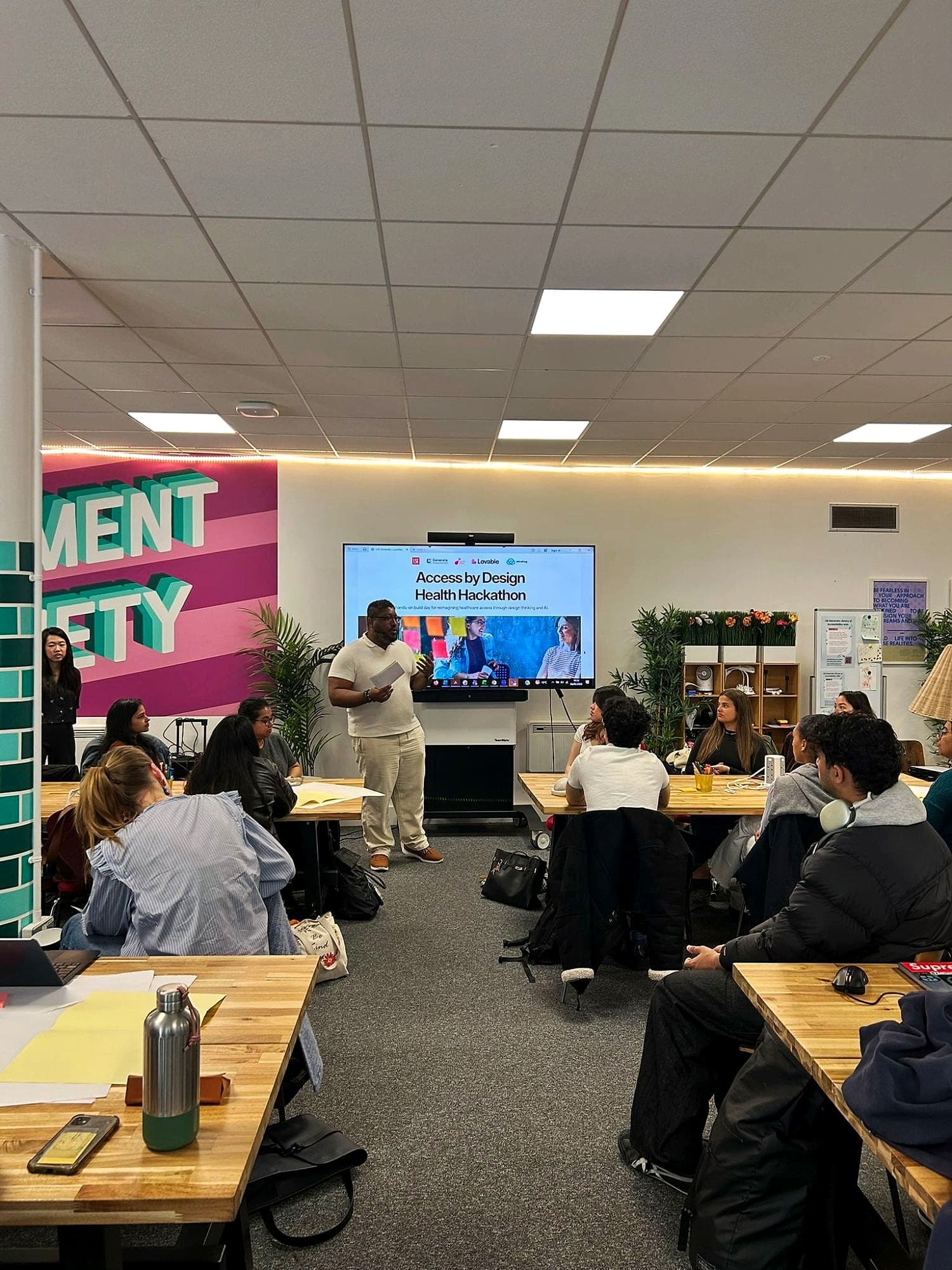
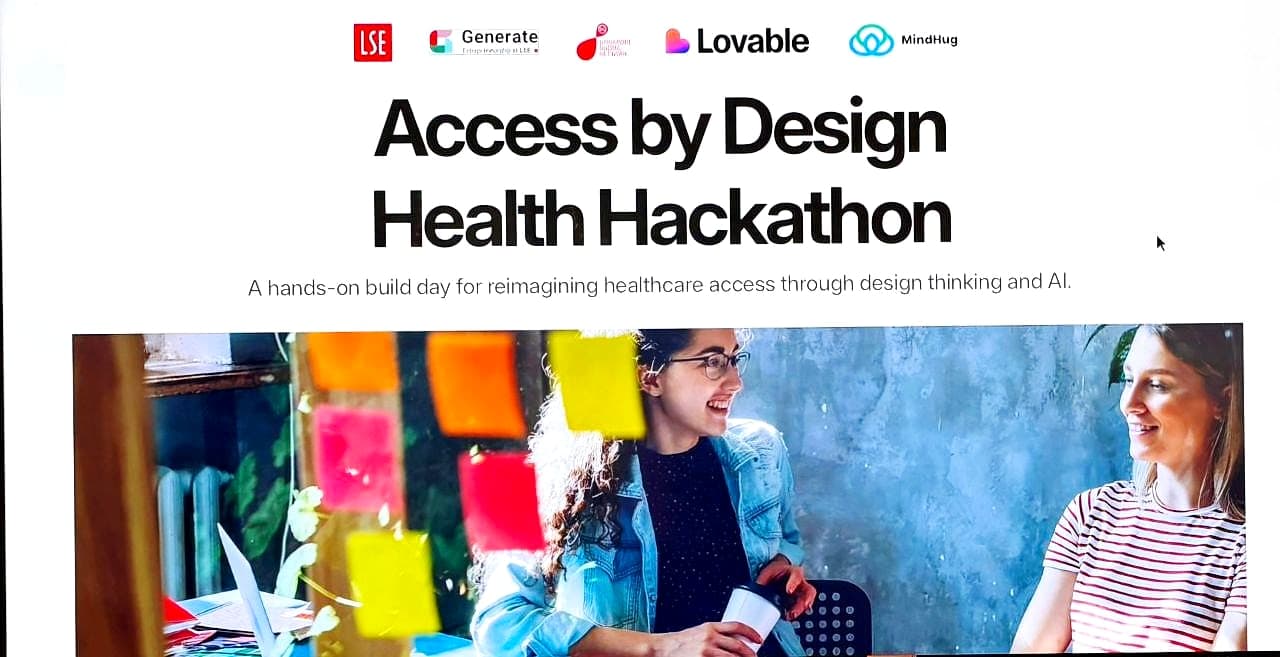
The photos here are from Access by Design, a health hackathon we ran with LSE Generate, connecting cybersecurity, AI and psychology around real user problems in the room. We measure the behavioural shift, not just the demo, and share the evidence relevant to your setting in the conversation.
Where this leads
The programme behind this is Psychology of Change and AI. For anything specific to your setting, the fastest route is a conversation.
Filed under Adapt Better, Build Better. By MindHug. Last updated 2026-09-25.