
Guide · Build Better
How to build a buyer persona that reflects behaviour, not demographics
Most personas are a name, an age and a stock photo, and they change nothing. A useful one is built from the few signals your buyer actually acts on. Here is how to build it, using the idea that runs through everything we do: maximum signal, minimum noise.
Delivered by MindHug’s facilitators and psychologists as part of Selling and buyer behaviour. Meet the team.
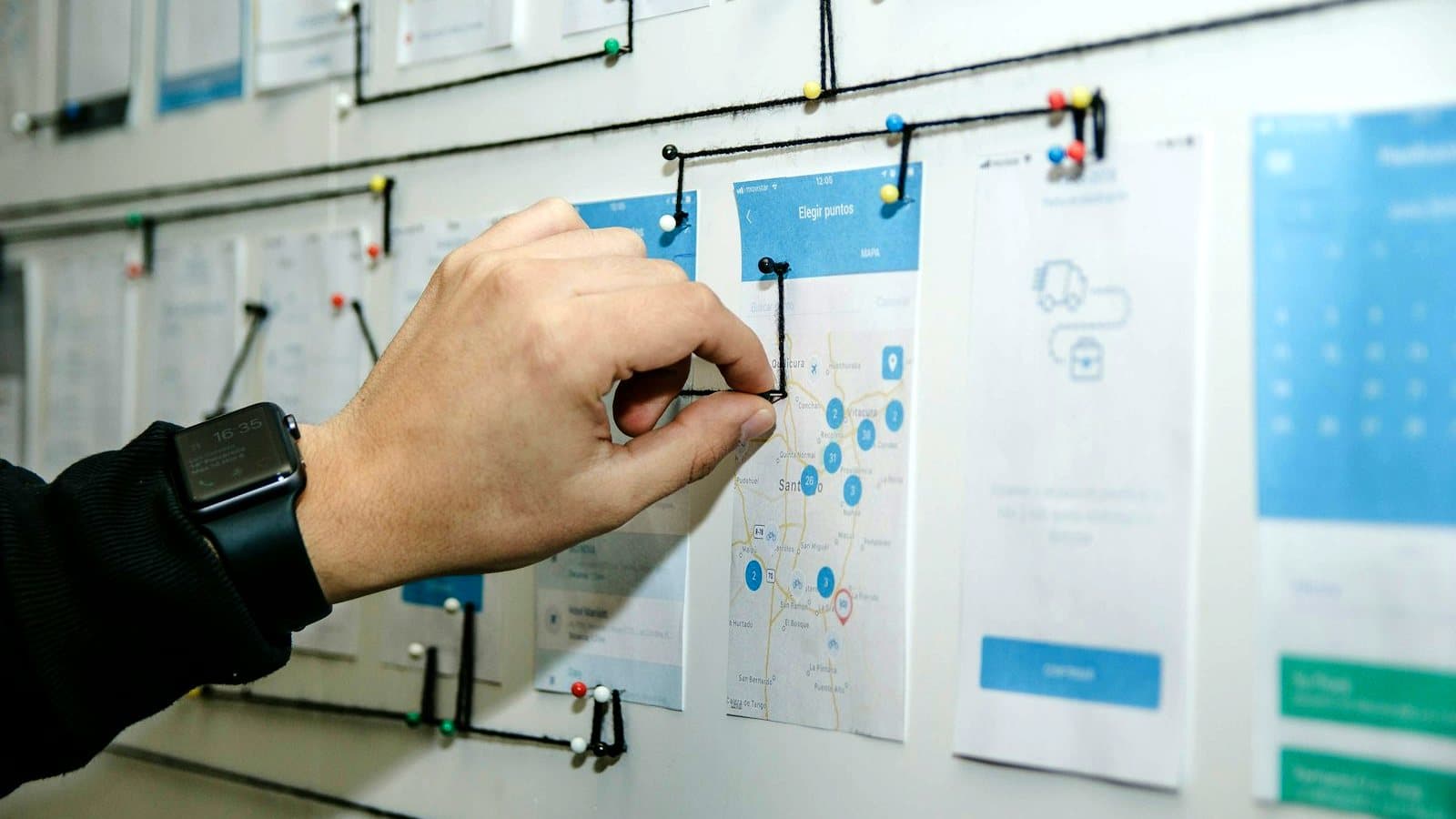
A persona that does not change a single decision is just a slide. The useful kind is a short, honest model of the person you are trying to help, built from the few things they actually notice and act on, not their age and a stock photo.
What is a buyer persona?
A buyer persona is a brief model of the person you are trying to help decide: what they are trying to get done, what gets in the way, and what would move them. Marketers sometimes call the account-level version an ideal customer profile, or ICP. Done well, a persona guides what you build, write and say. Done badly, it is decoration everyone nods at and nobody uses.
Why demographic personas fail
Most personas are built from demographics: age, job title, an invented first name, a hobby, a stock photo. They feel like research, and they are tidy. The trouble is that people do not decide by demographic. Two people with the same job title can be miles apart in what they need and what worries them. Demographics are mostly noise: often true, and rarely the thing that moves the decision.
The idea underneath, which runs through everything we do
Attention is finite. The mind fixes on a few signals and fills the rest with assumptions. It is why social engineers can steer attention, why buyers decide on a few signals rather than more copy, and why this whole site is built signal first, with depth underneath. A persona is that same discipline pointed at your audience: capture the few signals that genuinely describe and move someone, and leave the noise out. Maximum signal, minimum noise.
Build it from behaviour: what to capture
Read it through CUE, the way we read behaviour everywhere, set out in the Psychology of Change.
- The job to be done. What are they actually trying to achieve, in their words, not your product's.
- The trigger. What makes it matter now, rather than someday.
- What stalls them (Uncertainty). The objection, the risk, the unanswered question that makes the safe move to do nothing.
- What they can and cannot do (Capability). The real constraints: budget, skills, permission, bandwidth.
- Their expectation. What they think good looks like, and where reality might disappoint them.
- The proof that moves them. The one signal that turns interest into a next step.
Where the signals come from
You do not invent these; you find them. They are in search behaviour, sales and support conversations, the objections you keep hearing, the deals you lose and why, reviews, and the language in tenders and procurement. Our piece on finding the signals goes further. The shortcut that is not a shortcut: talk to a handful of real people before you write a word of the persona.
A simple structure
A persona should fit on a card. Five lines that change what you write beat five pages that do not.
- Who, in one line. Their role and context, not a backstory.
- The job to be done. What they are trying to achieve.
- What stalls them. The gap between wanting to act and feeling able to.
- What moves them. The signal and the proof that unlock a yes.
- Where they look. How and where they search for the answer.
Keep it honest, and keep it alive
Two cautions. First, do not stereotype. A persona is a working model to help you serve people better, not a verdict on a group, and the ethics of that matter. Second, a persona drifts as your market moves, so revisit it against real signals rather than treating it as finished. If a line in the persona never changes a decision, cut it.
Common questions
What is a buyer persona? A short, honest model of the person you are helping decide: their job to be done, what stalls them, and what moves them.
Persona or ideal customer profile (ICP)? Often used interchangeably. An ICP tends to describe the best-fit account; a persona describes the person inside it. Both work best built on behaviour.
How many do I need? As few as actually change your decisions. For most, one to three. Past that, they stop being used.
Demographic or behavioural? Capture a demographic only where it genuinely changes the decision. Otherwise it is noise. Build on behaviour.
How do I validate one? Against real signals: do actual buyers recognise themselves, and does it predict the objections and the proof that move them?
If you remember one thing
A persona is not a character study. It is a filter: the few signals that describe and move the people you serve, with the noise left out. Build it from behaviour, keep it honest, and keep it alive.
It is the same behavioural science we bring to everything, reading how people actually decide, whether they need to feel better, adapt better or build better, all built on the Psychology of Change. If you want a persona built and put to work with your team, that is what our Selling and buyer behaviour programme does.
The Signal
One behavioural idea worth keeping, now and then. No noise, just signal. Leave your email and we will send the good stuff.
Talk to us about this
The programme behind this is Selling and buyer behaviour. For anything specific to your setting, the fastest route is a conversation.
Filed under Build Better. By MindHug. Last updated 2026-10-02.