
Training · Adapt Better
Social engineering awareness training: why knowing the red flags is not enough
You can know every red flag and still get caught. Here is why awareness training can fail at the moment it matters, and how Think Like a Hacker trains the behaviour underneath the rule.
A friend had their phone stolen in a crowded London pizza restaurant. No snatch, no struggle. A smiling stranger leaned over the table and slid a laminated sheet of odd symbols in front of them, asking something that did not quite make sense.
For a few seconds there was movement, noise, a confusing question, and attention split three ways. Then she was gone. So, shortly after, was the phone.
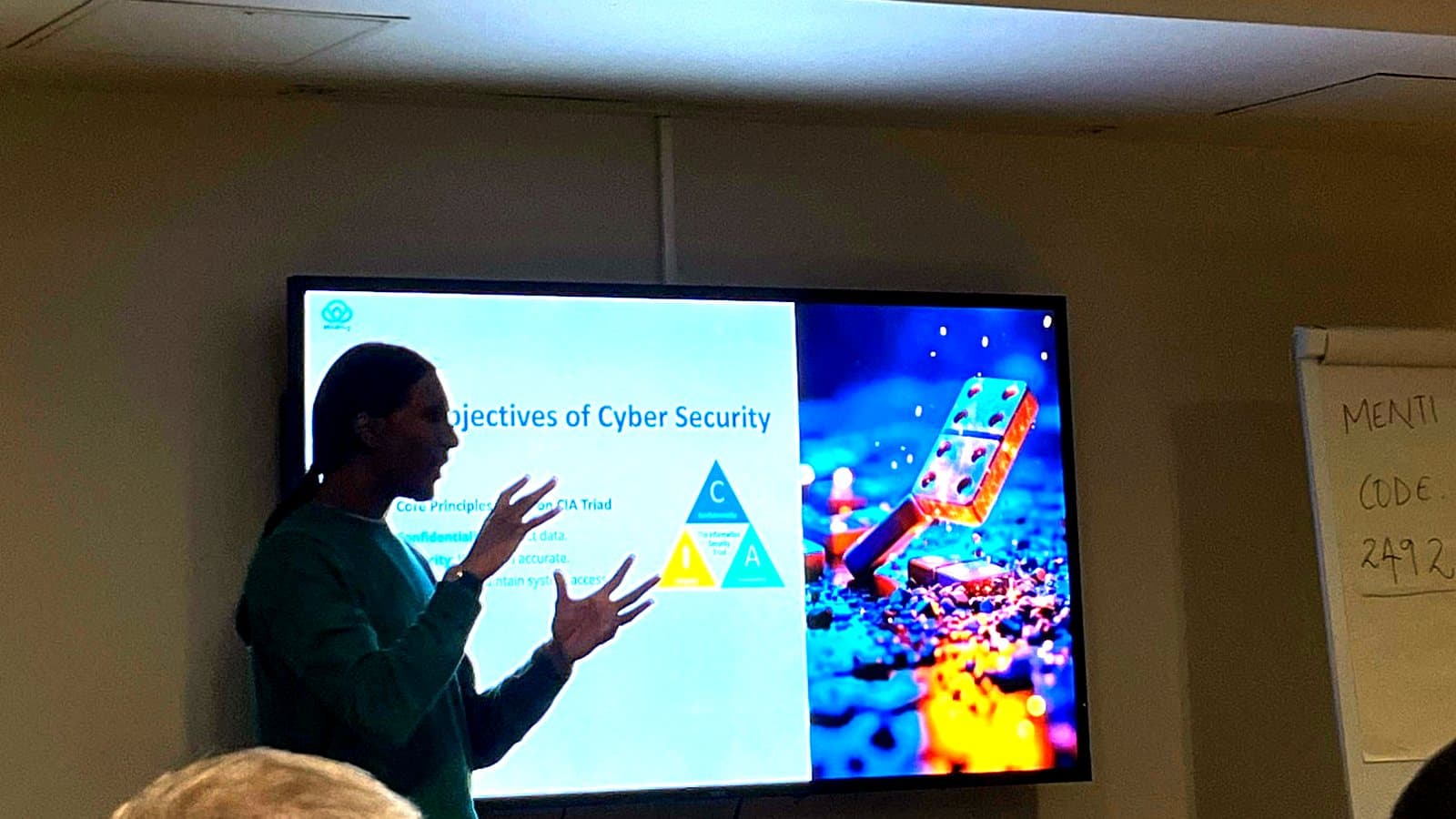
The method is not the point, and not every theft works like this. The point is simpler, and more uncomfortable: attention itself can be steered. That small episode is one of the things behind MindHug's social engineering work.
What is social engineering?
Social engineering is manipulating a person, rather than breaking a system, to get access, information or money. The phishing email, the urgent call from "the CEO", the helpful message from "IT": all of it works on people, not code. Most breaches start this way, with someone doing something reasonable at exactly the wrong moment.
Why knowing every red flag is not enough
Here is the uncomfortable part. You can know every red flag and still get caught. Awareness training teaches the rules. An attack succeeds when your mind does not retrieve the rule in time, because your attention is already somewhere else. The dangerous moment is not ignorance. It is a known rule that does not surface under pressure.
Which is why we train for the moment, not the quiz. Most awareness training tests one thing: can you spot the right answer when you know you are being tested? A real attack asks a harder question. Can you reach that behaviour when you do not know a test is happening?
Social engineers hack attention
No one can consciously weigh every signal competing for their attention, so the mind takes shortcuts: patterns, expectations, past experience, whatever stands out. Most of the time this is exactly right. It is what makes a day possible. The catch is that anything predictable can be exploited.
Attackers deliberately add the signals that speed a decision up, urgency, authority, familiarity, helpfulness, fear, reward, the sense that everyone else has already done it. None of this is stupidity. The brain is doing what it learned to do efficiently. The attacker simply knows which levers to pull.
Try it
An attacker is not breaking a system. They are pulling an ordinary human lever. Tap one and see the line it uses, what it exploits, and the move that reopens your judgement.
The line
“Do this now, before it is too late.”
What it exploits
Speed. A clock in the request leaves no room to check.
None of these need a perfect story. The mind fills the gaps. The defence is not being cleverer, it is one practised pause before you act. This is what we rehearse in the room.
Signal, noise, and the moment judgement narrows
A social engineer does two things at once: they raise the noise, and they steer which signal you notice. The pizza sheet was never the theft. The confusion around it was. Noise can be visual clutter, time pressure, emotional arousal, several things arriving at once, an unfamiliar context, a well-timed interruption.
Under that load, people lean on simpler, faster rules. The thinking mind does not switch off, but it gets less of the steering, and the fast, automatic read takes more.
Autopilot, and when to interrupt it
Much of what we do runs on autopilot, and that is a feature, not a flaw, right up until someone designs an interaction around those automatic responses. So the defence is not "never use shortcuts". It is learning when to interrupt one.
That interruption is small and practical. Notice what signal is pulling you. Pause, to break the automatic sequence. Verify through a source or channel you chose, not the one you were handed. Report it, so the organisation gets smarter. The aim is one behavioural gap between the trigger and the action.
How CUE gets exploited
This connects to how we read behaviour everywhere, through CUE: Capability, Uncertainty and Expectations, set out in full in the Psychology of Change. A good attacker manipulates all three. They create confusion to lower your sense of capability, they raise uncertainty, and they lean on your expectations about authority, urgency or a familiar process.
Then they let you do the rest. They rarely need a perfect story. The human mind completes it. That is the real mechanism, and it is why the fix has to be behavioural.
Why Think Like a Hacker feels different
Most training defines the levers and hopes recall follows. Think Like a Hacker rehearses the moment instead. Three things run through it.
- Psychological and nervous-system safety and capacity. People need enough capacity to notice what is happening and interrupt an automatic response, and enough safety to admit a near miss, ask a basic question, or challenge someone senior. Training that produces shame undermines exactly that. Where blame is expected, silence is rational.
- Practical skills. Behavioural science does not replace security knowledge. People still need to recognise urgency, authority, pretexting, impersonation, channel switching and the rest, and to know the verification routes. The behavioural work makes that knowledge available when it is needed.
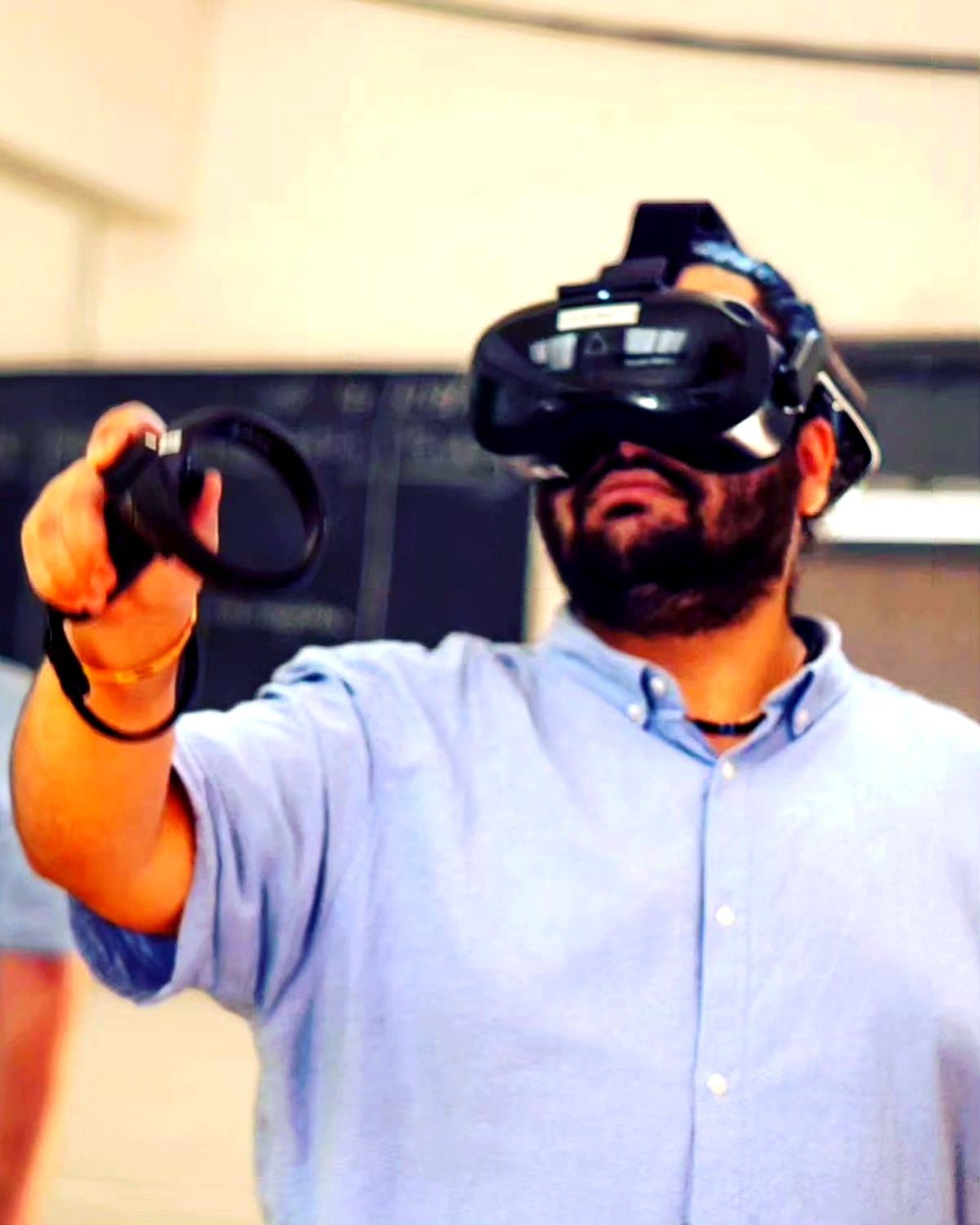
- Experience. Knowing a red flag is not the same as feeling one while your attention is being pulled. People build the attacks themselves, run them on each other, feel how easily confidence is exploited, practise the pause, and debrief without shame.
It runs on SURE: Safety, shame off the table, because nobody learns while trying to prove they would never fall for it; Understanding, how the levers actually work; Reframing, from "I would never fall for that" to "what would make this work on me?"; and Experience, build it, feel it, rehearse the pause until it holds.
Intelligence is not immunity
One thing worth saying plainly. Being clever is not protection. Smart people use shortcuts. Busy people use more of them. Security professionals do too, because it is simply how attention works. The point is not that anyone is foolish. It is that this works on humans, which is all of us. So we train the behaviour, not the IQ.
Does it work?
We measure behaviour and confidence before and after, and share the evidence relevant to your risk profile directly rather than posting numbers stripped of context.
- On our DSIT digital-skills cyber work, 85% of those assessed improved their digital knowledge, and nobody got worse.
- On the same work, 96% of psychological-safety measures increased, the safety that decides whether a near miss gets reported in the first place.
Common questions
What is social engineering? Manipulating a person, rather than a system, to get access, information or money, usually by pulling an everyday human lever like urgency or authority.
Why do people fall for it even when they know the signs? Because knowing a rule and retrieving it under pressure are two different things. Attacks are designed for the moment your attention is already elsewhere.
Is awareness training enough? It is necessary, not sufficient. It teaches you to recognise a test; an attack is not a test. The gap between knowing and doing is behavioural.
What is think like a hacker training? Experiential training where people build and run the manipulation themselves, feel how it works, and rehearse the pause and verification, so caution holds when the pressure is real.
Does it blame employees? No. The whole point is that this works on everyone. Shame makes people hide near misses, which is the opposite of what security needs.
How is it measured? Behaviour and confidence before and after, plus the psychological safety that decides whether people report. We share the figures relevant to your setting.
If you remember one thing
You are not vulnerable because you are careless. You are vulnerable because you are human, and attackers have learned the levers everyone shares. The reassuring part is that the defence is human and learnable too: notice, pause, verify, report, rehearsed until it holds under pressure.
See the same mechanism mapped to CUE in the short interactive on how hackers hijack behaviour, and how AI is changing the risk in this companion piece.
The evidence
Behaviour and confidence are measured before and after. We discuss the evidence relevant to your risk profile directly rather than publishing numbers stripped of their context.
- Robert B. Cialdini, Influence: The Psychology of Persuasion (Harper Business, rev. ed. 2006).
Train your team to hold the line
Think Like a Hacker rehearses the behaviour attackers exploit, from the attacker’s side.
The Signal
One behavioural idea worth keeping, now and then. No noise, just signal. Leave your email and we will send the good stuff.
Filed under Adapt Better. By MindHug. Last updated 5 November 2026.