
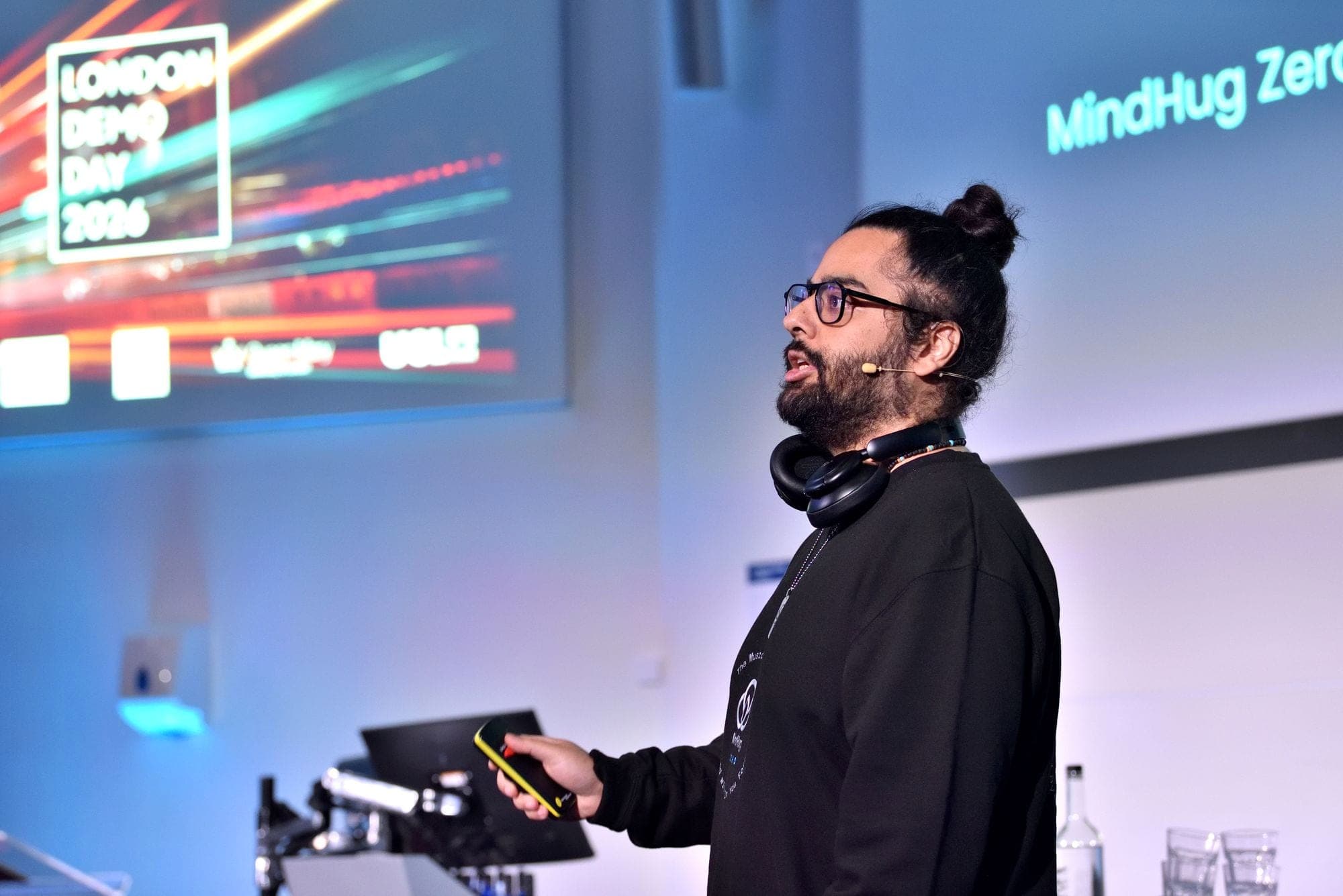
Turning ideas into action
Entrepreneur resilience, mindset and confidence
People make the bet the situation calls for, and stay standing after the one that did not work.
For founders, and for the people driving change and innovation inside an organisation. Acting well under uncertainty is the same skill either way.
You may be seeing
- Endless refinement instead of contact with a customer or an employer
- Playing safe at the moment that calls for a bet
- A setback treated as a verdict rather than information
- Applications and sales conversations avoided and called preparation
Entrepreneur Resilience and Mindset, at a glance
CPD accredited- Format
- 8 to 24 hours. In person or online. Delivered by us, or by your own trained facilitators. Part of Build Better.
- You receive
- A real experiment, run with an actual customer or employer
- A plan for when something does not work
- A practised pitch or interview, and the next conversation lined up
- Evidence
- 100% of founders improved in psychological safety (case study, run as this programme)
Free, no obligation. Outcomes and deliverables are agreed before we start.
What happens
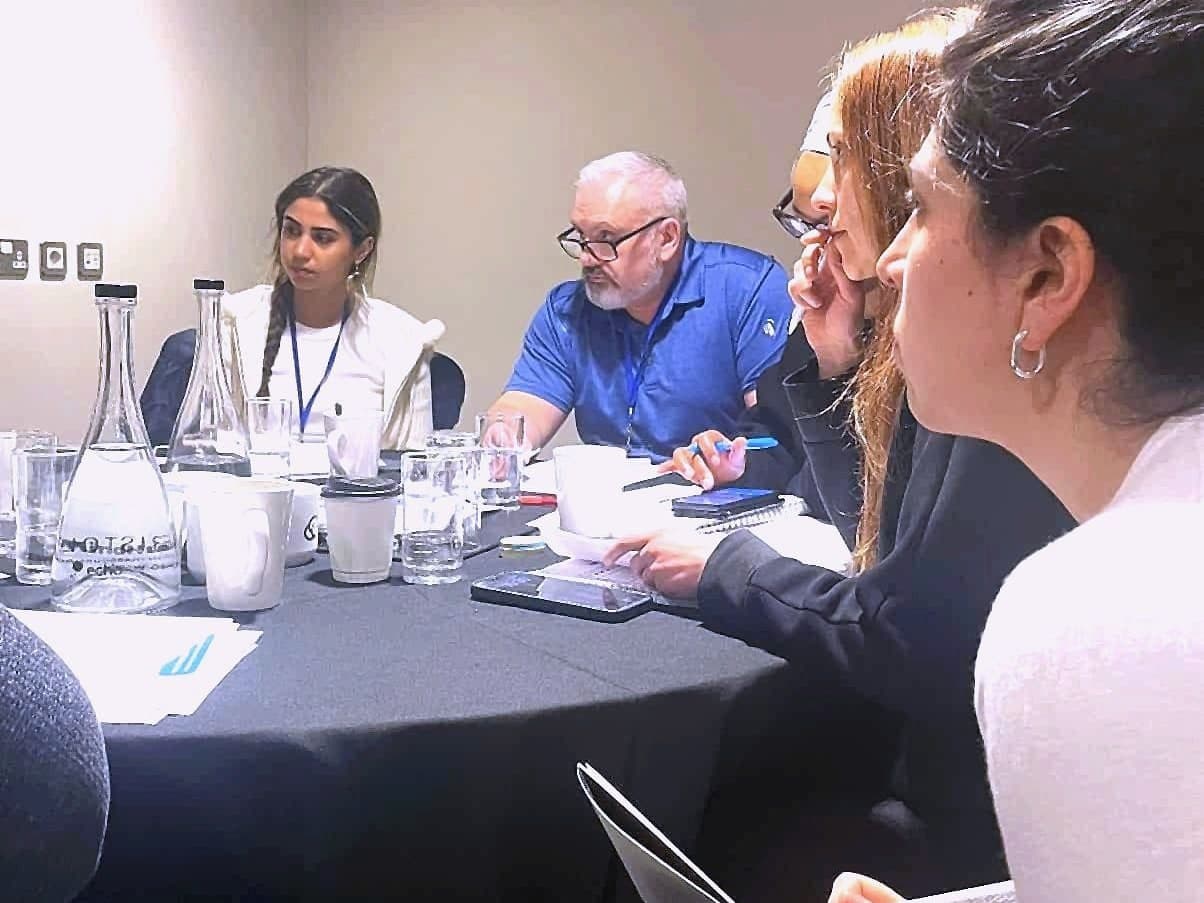
In the room
Small real bets inside the programme, with the debrief built in.
- Cognitive reframing sessions
- Structured experiments with real customers or employers
- Setback planning
- Peer challenge groups
- Interview and pitch practice
What people will be able to do
Afterwards, people can:
- Talk to real customers and test the idea
- Reach out to an investor or employer, and make the ask
- Treat a failure as information, and act within a day
- Have the conversation they have been avoiding
Outcomes
What it adds up to
Greater innovation
Ideas tested early, so good ones get backed and weak ones stop.
Better employment outcomes
Confidence to apply new skills in their jobs, and to go out and find work.
Better wellbeing
Measured improvement in psychological safety and emotional resilience.
This is also a component of ‘MindHug One’, 40 hours of training grounded in behavioural science, across wellbeing, AI and cybersecurity, and entrepreneurship.
Evidence
Does it work?
Measured: confidence, resilience, psychological safety. Reported at follow-up: sales and outreach, now made. The return: pipeline and conversion.
- Of founders improved in psychological safety, Resilient Founders (2024–25)
- 100%Resilient Founders (2024–25)
- Of founders would recommend the programme, Resilient Founders (2024–25)
- 93%Resilient Founders (2024–25)
- Of founders felt equipped to manage their wellbeing, Mindful March · Resilient Founders
- 91%Mindful March · Resilient Founders, 2025
- Entrepreneurs
LSE Generate · British Council
- Result
- 100% of founders improved in psychological safety
- Outcomes we delivered
- A 20+ hour founder programme with real-customer experiments: 93% would recommend it, with more confidence selling and revenue traction reported.
- Governments
UK Government, DSIT
- Result
- 85% improved their digital knowledge, and nobody got worse
- Outcomes we delivered
- A 28 hour programme applying digital skills to real work: 75% grew in confidence with complex digital skills, and 20 coaches were trained to lead adoption work.
“MindHug’s Therapeutic Art session was incredible for my team. We grew closer together, understood each other better and the trust between team members just went to another level.”













Delivery
How it is delivered.
We deliver it
Our facilitators and psychologists run it with your cohort, in person or online.
We train your people
Your own coaches are trained to deliver it, so it continues after we leave.
Tailored either way. Built around what you are actually seeing, not picked off a list.
What is included
- 20+ hour neuroscience and psychology programme
- Cohort peer group
- Facilitator and psychologist support
- CPD accredited options
- Pre and post measurement
How progress is assessed
- Confidence to act under uncertainty, measured before and after
- Decisions made and momentum kept after a setback
Knowing matters. Doing changes things.
No obligation.
A few lines is enough.
Why it works: what is underneath the behaviour
Underneath the behaviour
- Uncertainty is read as danger, and danger produces the safe option
- Perceived capability in an unfamiliar domain collapses fast
- Psychological safety lets people test unfinished ideas and treat failed experiments as information rather than verdicts
How this programme is built, step by step
Safety
A cohort where saying "this is not working" is normal, so it can be said early.
01Understanding
Which decisions are genuinely reversible, and which are not.
02Reframing
Cognitive reframing applied to setbacks, planning for them rather than being surprised.
03Experience
Small real bets inside the programme, with the debrief built in.
04
Safety opens exploration. Exploration creates experience. Experience updates what people expect. Updated expectations change behaviour, and feed back into safety.
Related programmes